Andromeda Application
Please copy a summary of your response and keep it for reference, or write it elsewhere!
Please copy a summary of your response and keep it for reference, or write it elsewhere!
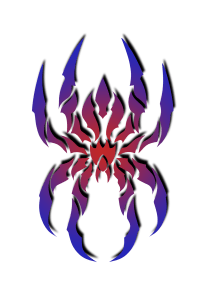
Arachne: Weavers of the Silken Shadow Before the Stars.
The light shone at the end of the tunnel like stars, but it was not the light that so many sought to seek. The strings of false light danced as the shadows traced along the struggling cocoons. As venom entered, the struggling abated -- as the struggling quieted, the spiderling fled back into the darkness. Silence. Silence and then a cocoon of light. As the Arachne receded to the darkness, the light at the end of the tunnel was weaved anew, and once more, the false light shone again. Another one appears; the light shone at the end of the tunnel…
From the cavernous depths of the Known World, dens of meticulously-spun webs and silk mark the territory of one of the world’s most dangerous ambushers. These spiderlings wait in the shadows, their senses attuning to the vibrations of those who soon disturb their own nests. When the time is just right, the Arachne closes in on their prey. They move swiftly -- no hesitation, no remorse. With venom and sharp talons, they claim what is rightfully theirs. They devour, and then they retreat into the darkness once more. And so, any creature would observe a spider and find no hesitation to remove it; one would be wiser to take caution against these spiders who hesitate only for the perfect moment.
Historically, arachne have always been a smaller race of creatures -- their ancestors acclimated to the darkness and the dim light of the moon. Somewhat larger, the arachne of those primeval ages were devastating forces despite their small size; a single drip of venom could kill even the largest of beasts. These primal arachne were nearly hidden in all figures of the light, stalking their prey with no fear of being detected. Their nests matched the halls of today’s greatest kingdoms; perfectly weaved to mimic the light that shines above to fool even the most perceptive.
What remains of these arachnid beasts and their webbed nations are, under all accounts, unknown, but their descendants are living proof of their existence. The spiderlings of today - the arachne of the Known World - mimic only a fraction of their deadly venom, yet they remain as dangerous as their ancestors. Smaller creatures who bear far greater strength than what most perceive. It is only fair that so few understand their strength, after all -- these creatures favor their hidden talents over direct involvement.
Given their acclimation to the darkness and deeper ends of the world, they are often known as a more seclusive race, choosing isolation and independence over groups of people, although few arachne have taken a liking to being in groups or alongside other spiderlings. As of today, arachne wander the world in darkness and some travel in the shades beneath the daylight. Wherever they go, they often leave no trace, unless they aim to hunt. If they reside alongside groups, those arachne are considered a rarity in the Known World. Whether they are isolationist or not, their strengths are never variable.
In contrast to most creatures of the hunt, these weaving masterminds favor entrapment and ambushing their food with their webs versus direct combat. They spot their food early within the day, stalking them as time passes forward. They construct their nests of silk, awaiting nightfall -- and when the moonlight shines upon them, they take action. Secreting lethal toxins from their fangs and talons, their strikes are deadly and swift. Even if their prey somehow escapes, the spiderling can weave a net strong enough to pull in their targets with great ease. In times when they are threatened, they utilize their heightened senses to evade attacks and graze danger, whilst remaining close to strike back. In the end, the arachne finds satisfaction in toying with their food for just a moment before the kill. And once they claim their sustenance, they scurry off into the distance once more.
Given their smaller frame, they are heavily reliant on their movement and creations of silk and web. Although their size contributes to their alacritous movement, their softer frames render them frailer and more susceptible to potential danger from most sources. Moreso, whilst they can hunt in the day, they strive to stay clear of direct sunlight as it perturbs their vision -- and even in the darkness, oftentimes the threats looming from the moonlight are equally dangerous. And yet, as many of the arachne stay within the dark, others attempt to acclimate themselves to the daily environs of the Known World, knowing the potential risks at bay.
As today’s realm is more refined and ‘civil’ in contrast to times before, arachne have found themselves satiating their appetites with and consuming items that most others would eat -- livestock, for instance. They retain their wild instincts, but choose to unleash them when necessary. The cultures of the arachne remain as wide and varied as their personal territories stretch; and so, they walk along fine threads to observe and remain wary as to whether they wish to interact with the rest of the world or not. Cautious they remain, always.
Like the other walks of life adapting to change, the arachne also adapt. Even now, where the stars that shine above guide the world, the spiderlings are witness to a web of constellations and light that lead them to a place most unknown. Will the stars ahead guide them to a place for them to weave a new domain of silk, or are they risking wandering into someone else’s web? Into the unknown, they weave, if even just to sustain themselves.
Age. The typical lifespan of an arachne is 350 years. Age of maturation varies. Life expectancy varies by environment and common intake of nutrients.
Size. Arachne range from 1.18 meters to 1.55 meters in height, further varied by their environment.
Astral Matrix. According to the Astral Compendium of Myths, arachne are often associated with the stars, being creatures who value their own freedom and follow their very own paths. Their webs often glimmer like stars in the darkness.

As the darkness abates and the sun eternal bids welcome, the wolves blessed by the kindest of flames grant respite. But the sun’s gesture of kindness is not enough to prove them their worth. They yearn. They crave. They run. As the hunt begins, they travel the distance, unwavering in achieving their rite. And upon a bounty claimed, they howl beneath the sky. The Fenrkin, loyal to life and itself, jaunts to the world ahead, persevering before the light until the very end.
They thrive upon the gifts of the sunlight. Unlike their distant relatives, they hunt and stalk their prey within the shades of the daylight, hunting and staking their claim against their bounty, all under the guise of the light itself. As nightfall eventually offers itself, these large beasts retreat into a state of caution, patience claiming them until dawn rises once more. When the creatures that haunt the night dare to oppose them, the Fenrkin invoke the wildest aspects within their hearts to protect themselves and those they cherish. Fangs bared and eyes glowing with intent, the fenrkin strike quickly and precisely before their state of power fades into exhaustion.
These sunbound beasts of the hunt are a social race in comparison to most, often finding themselves in a pack or with others of different walks of life -- the fenrkin can be solitary beasts of the hunt, choosing themselves amidst dire situations. However, in cases where they travel alongside their pack or with companions of other walks of life, these are beasts of unwavering loyalty to the very end. Protective, clever, and powerful, they are dauntless wolves who bear no shame in defending themselves or their fellows -- and even if they are alone, they remain ever so dangerous. Alone, they are dangerous, cautious, and fearless in the face of threats that would dare to be greater.
These wolven creatures are larger in frame, sporting wolf-like ears and a tail with thick fur on average. These beasts take after their distant ancestry of the Dire Wolves, a race of greater wolves who once towered the world and thrived in the sun’s embrace. Legends state that these dire beasts hunted creatures equivalent to their size - or higher - to honor the strength of the sun that blessed them. They prowled throughout all cycles of time and acted without hesitation. As the sunlight empowered them, their strengths became unmatched. Even as moonlight dawned upon the world, the Dire Wolves remained stalwart -- in the name of the sunlight, they remained observant.
The Dire Wolves have faded to time, but they have left behind their children, the fenrkin, to the riches of the bounty. As with their ancestors, the wolven beasts of today follow in the path of the light, and thus have acclimated to hot environs despite their protective dense fur. The fenrkin, while only a fraction of their ancestors’ great size, have now inherited a partial aspect strength from their forebearers, with a strong bite and a set of agile steps to support them.
A common hallmark of any fenrkin is their sharp perception and capability of perceiving others from a large distance. As hunters by instinct, the sunbound creatures are able to track their prey with great ease -- heightened peripherals, enhanced senses and then some. Stalking their bounty carefully, they watch until the opportunity is right.
And when, at last, they have found their moment, they execute their strengths on sight. Overempowering themselves, the fenrkin unleash every ounce of energy to take down their foes, or in some scenarios, defend themselves from threats. As if enraged, the empowered wolves become vicious and unrelenting in their strikes. However, as such a power detriments their energy, they soon become exhausted and fatigued, slower and weaker for a time. Even then, these wolves do not deter in their natural defenses -- their dense fur sustains them from further harm and, at their weakest point, when they feel closer to the ground, they can remain steadfast and still as dangerous as they have ever been.
In today’s Known World, fenrkin are among the land’s more prominent faces, traveling alone or alongside other walks of the world. And yet, as common as they are, so few of them truly linger in one spot. As the various societies of the Known World undergo constant change, these wolves embrace the need to move forward as well. Whether they choose to hunt or linger by their allies, they can never truly linger in the same spot for far too long. Whether alone or together, they remain as dauntless as the other beasts of the world are powerful.
Whether for themselves or for others, they take a stand against the dangers of the world. However, is it truly enough amidst these trying times?
The fenrkin, wolves belonging to the light of day, are witnesses to a strange trail of stars that guide them and the rest of the world to a new part of the world; a place never-before seen. As the call of cosmic light whispers possible uncertainty to them, the wolves of the sun seek their next hunt beneath such a strange brightness. Will they choose to act as swiftly as possible, or will they bide their time as weariness drags them? All it takes for them is one action; one hunt. And even then, once they claim their bounty, what comes next for them? Only the stars may tell yet.
Age. Fenrkin are able to live up to 250 years or more. Age of maturation varies. Life expectancy varies by environment and common intake of nutrients.
Size. Fenrkin range from 2.16 meters to 2.46 meters in height.
Astral Matrix. According to the Astral Compendium of Myths and based on their own historical notes, fenrkin are heavily associated with the sun. These are beasts who follow the light that guides their hunt; the fire is resilient, as is their sturdy nature.
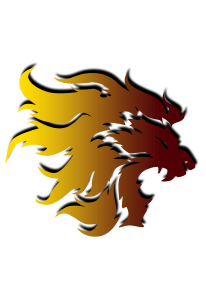
A moon stained in deep-red ignited the flames of the desert, and from sands of crimson light emerged a beast never-before seen. It chased its doomed prey with nothing but a cruel smile upon its crueler face. Venom dripped from the tip of their tail and talons; their coat blood-colored and ashened; eyes sharper than the sunlight that soon came to be. From a blood moon, a curse-turned-blessing, emerged a bloody beast -- behold the Manticore and its unquenchable thirst. Behold, then, the beast of blood and power… Behold.
These beasts are the embodiment of strength itself. As they chase down their foe, there is nothing that dares oppose them, and anything that does simply falls. With poison and precision, they jaunt the distance and claim their bounty. As they devour, the thrill of the hunt sustains them -- and after they’ve had their fill, they take off once more into the dunes ahead; into the world that is theirs. The Manticore does not stop, and nothing can dare stop it.
The Manticore is a race of carnivorous beasts often distinguished by their larger frame and hybrid features of a venomous scorpion, mane of a crimson lion, and a face akin to a human being. Legends of the manticore’s origins suggest that they were imbued by the power of a blood moon, which culminated in the creation of a hybrid beast of unstoppable force. The Chimeraen, titled by many, were the result of the chaotic moon seeped in blood. These ancient hybrid forces were blessed with bat-like wings that spanned the skies. At the height of their glory amidst the primeval age, they were the single-most dangerous creatures of the land. Not even the Dire Wolves nor Emberwings could stop them in their path -- but somehow, somehow, they fell to darkness.
These ancient Chimeraen have long-since fallen into the obscure notes of history, and any traces of their legacy are few and far between, if not erased at all. The average manticore of today inherits partial strengths of their ancestors, wandering the realm freely and with the ambition to devour. While they lack the wings of their previous incarnations - although there are very rare instances of some bearing smaller wings - they move nevertheless. Imposingly dangerous and unstoppable, these beasts of the blood moon are.
As history denotes, the manticore is viewed as one of the most aggressive creatures of the Known World, known most for their persistence to almost every obstacle. From the heat of the deserts to even the coldest regions of the world, the instincts of these beasts have taken them across every corner of the realm to engage their target, their daggering eyes seeking to claim whatever bounty they deemed worthy of their time.
Their venom is devastating and their strikes hit with unrelenting force; and when they are chasing down their prey, they exude shrouds of willpower upon themselves, allowing them to ignore anything and everything that would try to stop them. Against their foes and threats, the manticore’s naturally dense fur trivializes certain harm and even safeguards them from fire. Unanimously agreed upon, these hybrid creatures of bloodthirsty nature are often the most dangerous creatures of the walks of life relevant to the hunt.
However, as bloodthirsty and dangerous these beasts are, it is this instinctual yearning that warrants limitations. Manticores require a near-constant consumption of sustenance, and even certain food items are barely as effective. Only by the moment of the kill and their claiming their prey do they find sustenance. Added challenges to their hunt include lengthy heights and water -- their bodies do not support falls and they are severely hindered from the rain or water. And so, should a manticore fail to achieve their hunt, they lose their grip on their strength and become less than what they ever could be. Thus, a careless manticore is often viewed as the weakest creature of the realm.
…But no manticore in the Known World should ever fear their weakness, as they know they are beings of unstoppable nature. Even by today’s standards, they stand as one of the realm’s most powerful forces across various nations. Whether due to their aggressive nature or their natural strength, the manticore of today simply bear an aura of undisputable power. In many cases, they know this well enough, thus they are a greater force when they choose to stay their nature and choose to follow along the graces of society. Much like the other beasts of the hunt, the manticore are treated as kindly as they are treated with caution. Not that it truly matters in the end, the hybrid beings go about their day to no end and only listen as they need to. When they must hunt, so it shall be. When they must partake in camaraderie, they may do so as they see fit.
And so, although they are natural creatures of the land, they are still creatures of the changing world. Most manticore of today stay their appetites in favor of joining the rest of the races in the oncoming developments -- especially now, where the stars have shifted to guide them all to something else entirely new. In which case, as the stars guide, these hybrid beasts must choose whether or not to follow the light. With that, will the stars lead them to new grounds for them to satiate their hunger… or, will this unstoppable force of power meet something vastly stronger than them? However they choose, they move forward.
Age. A manticore has an average lifespan of 150 years. Their true limitation in age varies based on their later successes in claiming their hunt. Manticores mature at a very young age.
Size. Manticore range from 2.18 meters to 2.68 meters in height, further varied by their environment.
Astral Matrix. According to the Astral Compendium of Myths, manticore are creatures blessed by the moon and its ‘cursed’ crimson variant. With the gifts of a bloody moon, the manticore feasts beneath the crimson lights that guide them to their hunt.

The volcanic ash spurned as their wings spanned the length of the world itself. As they took flight, their wings of fire blanketed the once-clear blue sky. As they flew the distance, their flames ignited the change of the world. Their hearts burned eternally as they witnessed their domain ignite in a bright crimson. The rain could not abate the raging flames; nor the winds nor calming breezes. As the sun blazed gloriously, so too did the Wyverian embrace in honor of the pyres now made in their own glorious name. As above, so below did the light remain.
Upon clouded skies, a shadow is cast. Their scaled wings brush apart the fabrics of the skies and reveal the clear blue sky and the beasts of freewill. Wyverians take to the skies unlike any other, their scaled wings casting a shadow over the rest of the world. As they soar above and look below, they see a ripe realm of bounty to their name. As they target their prey, crimson flames descend and all that remains of them after the bounty is an eternal pyre. As the draconic beast fulfills their feast, they ascend to the skies once more and seek their next victory. The wyverian yearns for nothing but freedom and flame.
The legends of the wyverian suggest a race of winged creatures born of pure flame and fire -- violent in nature, they traverse the realm with the only intention of creating a domain of embers. Known once as the Emberwing Wyverns, the wyverians’ ancient legacies were guardians of the sun who vowed to shatter the shadows and ensure the light of the sun could never fade away. When conflict would be brought to the world, it would be the Emberwings who stilled the battle with the fires that could only be sated with their crystal wings that hushed the land.
What is left of these ancient wyverians is a mystery, but the wyverians of today carry some partial aspect of their legacy. While still predators of the animalistic hunt, wyverians retain the honor of the Emberwings, honoring their bounty through the fires they cast and then setting off to the next. While some would perceive this as barbaric, it is arguably a noble act in regards to the traditions of the sun. And thus, wyverians are viewed as the honorific beasts of the hunt; regal and unwavering in their duties and instincts.
Most wyverians are native to the hotter locales of the land, originating from the deserts or from the peaks of active volcanos. The blessings of the fire have warranted them as dangerous creatures, however others argue them as guardians of the sunlight. Either way, a wyverian cares only for how far their wings span, a show of their freedom and prowess. The brightness of their flaming soul is a show of their strength and resilience to the world itself.
Concerning their natural form, wyverians are roughly larger than most, their wings and scale-clad physiques offering a sturdier and more intimidating appearance. As they are fully acclimated to the flames of the natural earth, they have complete immunity to the blazing elements. As they easily soar the skies, they can descend quickly to strike fear and fire onto their prey or target. From the pyres within them, wyverians can exude rays of fire and a dense pyroclast that can set ablaze their surroundings with relative ease. It is a simple truth in that wyverians are not creatures merely to be trifled with. Once they fulfill their work, they take to the skies once more and set off to the next target in sight.
And yet, wyverians are not without their own frailties. As fire is vulnerable to water, wyverians are innately aquaphobic. Water dulls their very own strength for as long as they remain exposed to it. Despite that, these winged beasts still act. Whether they remain grounded to the world or take flight, they are always on the move, yearning for distance to be taken.
In the Known World of today, most wyverians claim nobility in places that others cannot reach. Due to their power and unrestrained freedom of flight, they often argue for their agency in claiming ownership of territories and treasures -- and win. Of course, as some partake in companionship and travels, wyverians are the perfect scouts for potential danger and are a staple member of any party looking to keep their company safe… and warm. Regardless of whether a wyverian chooses nobility or journey, they follow the greatest need forevermore -- their freedom. Unyielding to the world below them, they take flight however and whenever they please. While most wyverians of today may be viewed as arrogant, most still retain the honor of their legacies. Would the Emberwings of yore be proud? Who can truly say, save for their next-of-kin?
With flame and fire in hand and heart, the wyverian does not yield to the world already below them. And just as curiosity claims all who witness it, these winged creatures must seek answers to the starry skies above. They travel high above the tides, higher above the clouds, to follow the stars that guide. As they follow, the mere wyverian cannot help but question themselves against a path of strangeness. How far will their wings take them? More importantly, what freedom will they find here? Against uncertainty, the wyverian still must take flight.
Age. The life expectancy of a wvyerian is 300 years. They mature quickly after birth and grow rapidly.
Size. The average wyverian can range from 2.16 meters to 2.73 meters. Wingspans often stretch between 2.20 meters to 2.75 meters on average, depending on the size of the being.
Astral Matrix. According to the Astral Compendium of Myths, wyverians are beings who value the integrity of the sun. Their hearts, imbued by flame, are associated as blessings from the sun itself. Wherever they go, they carry the fires of light.

Faerie: Dancing Lights in the Drifting Winds of the Fae.
As stars resonate, the wings of the mirthful carry to the unknown. They glide along the winds that whisper them the undaunting spirit of everything that is simply light and free. The light guides them, and they become the light itself. Dancing along the distance between now and then, they flutter without a mere care -- and would that they cared, they introduce themselves as whimsical, or as tricksters. Such is the Faerie; thus, such is the Fae.
The far regions of the Fae are home to the Known World’s most intriguing walks of life; creatures who resonate with a unique magic that lingers however far they trek from home. These creatures are the embodiment of mystical nature and nature -- most importantly, they are as devious as they are friendly. While often harmless, their trickster antics, there is no true saying as to their intentionality. While some choose isolation and their own dominions, most others of the Fae tinker with the devices of the Known World. The Faerie, the region’s most recognized race, is absolutely no exception.
Crowned for their whimsical nature and attunement to the nature of the Known World, faeries are a race of tiny and agile beings that roam the world to fulfill their own wild dreams. Whether to entertain, create bonds with other races, or cause pure mayhem and mischief as they see fit, the faerie dots along the world at their own pace. They wander the world with pure curiosity in mind, their Fae-dusted wings and carefree nature leading their journey.
The origins of faeries are largely unknown, but most stories agree that they are children descended from the stars themselves. As the lands of the Fae are deeply connected to the light and the cosmos above, it is understood that all creatures of the Fae are the carriers of those very lights. Other fables suggest that faeries were descended from celestial beings such as the more-mystical starry beasts, but such tales are truly mere myths. The truth of the Fae and its beings can never truly be told or understood -- the faerie, at least, is a mystery in itself.
It would still seem that the Fae is a place enchanted by the stars, full of its mystical strengths and wondrous beasts and people. Faeries inherit the strengths and carry it with them in the form of the dust that surrounds them. Their wings are blessed by those very magics, granting them the skills to dart across the air and wind with great ease. Thanks to their light frame and attunement to lightness and the wind, faeries are fearless amidst the skies and stars. Faeries are often considered ‘the stars that have descended to the world,’ as their wings shine whilst they flutter from the surface to the breeze above. Even their bodies, which often glitter with the dust of the Fae, seem to bear some semblance of mystical energy akin to the light above.
Stories of the past entail that the stars above the world blessed the faeries of legend with the strength to commune with nature, allowing them to speak with the trees and plant life across the land. The stars themselves further bestowed mystical life and magic upon them thus bringing about the whimsical nature of the faeries. Their connection to nature itself is a commonality to all creatures of the Fae, though the extent of such is extremely varied. Faeries of the present day are able to vanish within the crops of the realm, becoming obscure, observant and mischievous should they choose to be. And when they witness someone worth troubling, or when they are threatened, they become tricksters of the light.
Apart from dancing amidst the skies to avoid their foes, faeries can choose to evoke the unique magics of the Fae to inflict unrestrained mayhem. In those times of mischief or trouble, they can stir visions onto their foes and devastate their minds with veils of illusory effects. A faerie’s magic is as volatile as the Fae, thus the effects can be as dangerous as they can be harmless.
However, these Fae creatures bear one great weakness in contrast to other walks of life -- purified iron. Upon contact with iron, a somewhat-antimagical form, their connection to the Fae becomes weakened and their lifeforce begins to falter until they expel the source. In conjunction with their smaller and frailer frames by comparison to others, a mere day of living in the Known World is fraught with danger for these winged creatures.
And yet, faeries are not at all adverse to danger. If anything, they often encourage themselves to follow danger and thrill themselves to the joy of adventure. Their place in the Known World varies from curious wanderers, wanders, or to even members of the geopolitical scale. In large crowds, they flutter above or find themselves walking alongside their fellow companions or friends. Wherever the stars lead them - wherever their curiosity binds them to - they follow.
So then, as the stars guide the Known World to a realm far wilder than them, will these Fae creatures be able to survive the uncertainties hidden in the stars? Or, will their light and nature be enough to shed some truth at all? Even if these creatures of the far-off land of mysticism bear the truth in their hands… Only the stars could truly tell.
Age. The age of a faerie varies greatly based on whether they are born in the Fae or in other regions of the Known World. Faeries born from their homelands tend to live for as long as 400 years, whilst others born in the main areas of the Known World live as long as 250 years. Their connection to the Fae may contribute to the reasoning.
Size. Being one of the tinier races of the realm, faeries range 1.06 meters to 1.23 meters. Wingspans often stretch between 1.20 meters to 1.75 meters on average, sometimes larger than their whole body, depending on size.
Astral Matrix. According to the Astral Compendium of Myths, faeries are creatures who inherit the mystical talents of the stars. Being tricksters and those who guide others either astray or home, faeries are exemplary standards of the lights above the world known by all.
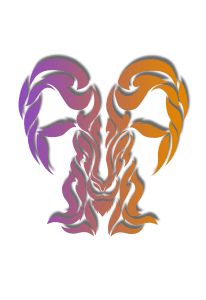
Satyr: Wily Beasts & Whimsiest of Creatures.
Hooves bound to the ground, they advance beyond the reaches of the known and unknown. With horns sharp, they break through the unsurpassable with naught care, for they are the force unstopping. The land is of no concern to them, and thus it is theirs. From surface to sky, even, their swiftness remains unerring. With sight in mind, thus, they know where to go -- and they go wherever they may. The Satyr, speed of the Fae, go wherever they may go.
The legends of the beasts of so many Fae are a mystery upon greater mysteries. The stories of those such as dryads, kelpies, or nymphs, even -- these spirited creatures all bear legends and histories shrouded in truths that deceive. Even these particular creatures, who keep their hooves to the ground and their horns sharp to face the distance, are born of origins kept in clouds of great unknowns. They are often regarded as heralds of growth and change, as akin to the sun that brings forth life and illumination to the world ahead of all others. As mischievous as they are enchanting, these half-beasts of the Fae are accustomed to the chaos of the rest of the world, as befits them the title of the “Wily and Whimsy Beasts.” From the Fae to the rest of the Known World, here they are -- the lively and alacritous Satyr.
Satyrs are half-caprine creatures native to the lands of the Fae who have spread across their own lands and beyond to the Known World. They travel the world swiftly and with barely a concern for the dangers that lie ahead of them. While several creatures are typically far more cautious when journeying, these half-beasts follow only their instincts and their chaotic approaches to the world. These beings are swift as lightning, depicted as the quickest creatures of the land; outrunning even the quickest beings of the land and stopping at nothing to find their way forward.
In fables told of the satyrs, they are said to be the descendants of the mythical and primeval Seilenoi, reclusive, larger half-beasts who observed the realm of the Fae and acted as scholars or guardians of knowledge amidst sacred mountains that gleam with the realm’s light. Depicted as seers of the world, they remained isolated from the rest of the land, only permitting wisdom to those who entered their domain -- even then, their knowledge is shrouded in ominous foretelling. Through their extraordinary wine and joyful antics, the Seilenoi lock the meanings of their words behind their own devices.
As the world falls to change, the Seilenoi have passed on their legacies, leaving behind the satyrs who travel the world in curious and wild abandon. From wise to whimsical, these caprine-like beings of the Known World maintain their ancestors’ perceptive skills. The Seilenoi inspire their joyful and chaotic behaviorisms, but as evolution shows, the satyrs have carved their own path. As they gallop across the landscapes, their attunement to the winds permit them to trek faster the farther they go.
They approach every possibility strategically -- or rather, with their headfirst into the fray. Coupled with their smaller frame and strong hooves, they can rush through terrain with great ease, and even take advantage of the heights of the world to no consequence. In the face of impending danger, their heightened sense of perception grants them the talent of avoiding potential danger. It is argued that their better visual senses are viewed as foresight, a strength in part of the Fae’s natural elements; argued with greater credit is that it is merely an instinctual strength. Regardless, they run the distance without hesitation.
Equipped with their sharp horns, they are prepared to face danger as close or as quickly as they may. Utilizing their swiftness, satyrs manipulate their momentum to maneuver everything and everyone to such an effect, one could view them as a simple blur. However, for how agile these beings are on land, their only natural obstacle is large bodies of water. It is ironic that most equine creatures are natural swimmers; satyrs are not adept at maintaining their motion in water, but this does not truly hinder them from trekking through the waves.
As of today’s Known World, satyrs have found themselves alongside the work of travelers, musical talents; some have found themselves alongside the political lines of the world’s many nations. Regardless of their profession, they maintain their carefree nature and ultimately choose themselves or their trusted fellows.
They wander the realm ahead and seek the unknown that they only know. Guided by sunlight and whimsy, they bound the horizon with nothing but their ambition and freewill.
However, the world itself is still a wild place - even for the satyrs of the Fae - and thus, danger lurks ahead every corner. Whether they perceive it or not, they must still find a means to avoid it. True carelessness may lead to their own downfall. And so, as the distant stars above call the world forth, will these creatures of chaotic beauty be able to receive it with haste? And should they answer, will they choose then to pursue the answers that yield danger and truth? Will they even be able to push through it? Will they be able to outrun what then pursues them? In a race of uncertainty, they run as lively and swiftly as they may be.
Age. The age of a satyr varies greatly based on whether they are born in the Fae or in other regions of the Known World. Satyrs born from their homelands tend to live for as long as 500 years, whilst others born in the main areas of the Known World live as long as 375 years. The reasoning is speculated to be their connection to the Fae.
Size. Satyrs are a shorter race, ranging from 1.12 meters to 1.58 meters.
Astral Matrix. According to the Astral Compendium of Myths, satyrs are creatures who inherit the mystical talents of the sun. As the light stretches across the world, the satyrs reach is just as swift and bright.
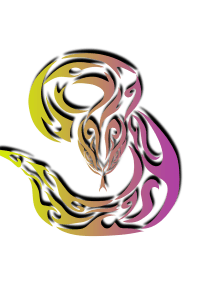
Gorgon: Guardians of the Stone Ophidian & Arcane.
Stillness in the water. She braved the hushed lake, knowing well what was sleeping beneath the surface of the waves. She tried still, thus. The steps stilled the water no more. She was a fool to even try. Hurried, then, her pace was. The eyes' ophidian awoke, and she walked no more. She ran. She heard the sweet sound. She looked back, and she stared into the eyes that stared back. And she stared too deep -- and she became still. Still she was, thus the Gorgon dragged her beneath the water; a cold hand to a colder stone. Stillness in the water once more.
Cunning, vicious, and dangerous to observe. Their eyes glitter like the brilliant stars above the world known to all. As beautiful as their eyes are, no one is wise enough to realize the danger of such pretty delights. For when the clueless stare deep into the eyes of them, they no longer blink; no longer feel; no longer move. Stone becomes them, and they become the world. Rock and petrified stone -- the Gorgon devours the life of the stilled victims, and they carry on.
Gorgons are humanoid creatures who bear a likeness to the serpents and snakes of yore. Their greatest feature is the pair of ophidian eyes that are - by almost every account - compared to the stars in terms of beauty. Beyond their eyes, other attributes of a gorgon’s appearance include serpentine scales and even hair that feels as sharp as the skin of a snake. Other gorgons are born without legs and thus a lengthy vertebrae that permits them to slither rather than walk. They truly are a race in variance of appearance, but their eyes are an aspect of them that remains constant. Similarly, most - if not all - gorgons bear a common ancestor in the form of the Great Serpents that once thrived in the Known World.
An older story goes of great serpents who existed in the age of the primal races; they lived in spires of pure-white quartz and stone, where extraordinary treasures of yore resided. They safeguarded those artifacts and treasures left behind by beings far more ancient than them. Wanderers would enlighten themselves to these treasures, and thus be met with a cruel fate. With eyes that could take over life itself by a simple horrific stare, those wanderers were turned to cold stone and thus fell to fate worse than death. From those stones, thus their children would come to be.
Those spires of legend are long-since faded, alongside those greater serpents. And so, the truth of the gorgon is shrouded in mystery, but a known truth of them is that they inherit magic and power unique only to themselves. Innately attuned to forms of transmutation magic, powerful gorgons are able to channel energy and arcana within themselves and their eyes to convert flesh to stone. While magic is a frailty in today’s Known World, gorgons seem to bear an extravagant reservoir of power that allows them to maintain their transmutation magic. However, they are only strong enough that they can truly only withhold a creature for a small duration before they can break free of their constriction. They may inherit great strength, but they are vastly inferior to their ancient guardians. Still, it is a power that only the gorgon possesses.
Their arcane strength is not limited to their use of ophidian semi-petrification, for they may also siphon the energies of others to hasten themselves for a time. And so, in the face of danger, these snake-like creatures are able to create or cover distance through their versatile talents. However, as with every walk of life, gorgons are not without certain caveats. For instance, those who are able to conceal their faces entirely mitigate their ability to petrify. Additionally, they suffer a similar condition akin to the Faeborn faeries in that iron cannot linger on their person due to its antimagical properties.
While not as physically powerful as a manticore or wyverian, their acclimation to the fading magic of the Known World and the arcane energy within them is worthy of taking every measure of caution when in sight of them.
As today goes, gorgons are often isolated from the rest of the world. As many are familiar with the stories of these ophidian beings, many choose to stay clear of them; and likewise, gorgons often find comfort in solitude since most would rather relish in their own sphere of influence. However, a major note to acknowledge is that while gorgons are notorious for their nature, their ability to petrify is oftentimes triggered through willpower. Unlike legends of yore, the gorgon of today can observe others without having to petrify -- they simply choose when to petrify or not. In which case, perhaps that makes them a greater threat, or a worthy ally. Needless to say, they are cunning beings who hide no shame in their skillset.
Gorgons live alongside the world with addled eyes, but they are largely unbothered by this inconvenience. However, as the stars above have begun to shift in favor of change and possible unity, they face a challenge that may change their life. As the curious gorgon enters the realm of Andromeda, they must bear witness to other walks of life that may or may not pose as an endangerment to their being. And so, will they be able to see their way through the coming change by means of stone and guile, or will they choose to be a part of something much bigger than their ophidian pupils can see?
Age. The average of a gorgon is 400 years.
Size. Gorgons vary in size, but often range between 1.65 meters to 2 meters.
Astral Matrix. According to the Astral Compendium of Myths, gorgons are depicted as creatures who follow the stars. Their mystical and unique nature are strongly representative of the strength of the stars that act as unnatural and esoteric as they.
Lichling: Death Unwoven, Life Bestowed, Purgatory Eternal.
A shroud of darkness became him. The final anchor to his soul began to unshackle as his life bled dry. However, upon the tears of a darker moon and the knife that claimed him, the candle flames stirred as harsh winds toiled with his dying body. The shackle chained anew. And from his body, the winds toiled with his heart. And from his heart, a blackened heartbeat. He awoke, somehow, with a necrotic soul bearing the gift of life. This stranger of life and death -- the Lichling, was born.
Life and death are natural aspects of the world, acting as forces working in tandem to balance the corporeal and ethereal forms of matter. However, to suffuse one’s soul with a mixture of both is to unwind the natural forces -- there is a being neither living nor dead. There are those who defy the laws of the living; deny the rules of the dead. To every creature in the Known World, death is often considered the finality of life, whereas life is the first chapter far before death. There is no conclusion more natural than the end itself.
…But the end is not truly the end, at least for those who choose to defy that final second where the bell chimes death. Whereas almost every soul flickers and fades in the end, the Lichling does not. It is a controversy that they are even considered one of the major walks of the Known World, however they exist as a population of creatures caught in the limbo of the living and dead.
For most, lichlings are termed as ‘undead’ beings who bear similar restraints to the typical undead forms: aversion to sunlight and holy arcana; weakness to the antimagical properties of iron; and fire. However, they are far more than simple undead, for they bear unique innate skills of controlling life and death magic; and more importantly, it is their creation that truly makes them worthy of being a race of the world.
Ancient records write of a group of powerful mages who became the first to wield necromantic energies upon themselves. By manifesting the energy of one’s soul with both parts of life and death, the result would lead to a conglomeration of energy that surpasses the natural form of the living. Thus, these mages, these Liches, emerged. What became of them remains unknown to this day, however their impact remains quite clear.
As of today, lichlings are born from previous lichlings, or they can be created through a similar process akin to the rituals of their forebearers. As energy is passed from one creature to the next, the same fusions of life and death also pass from parent to child. Alternatively, it is possible for those attuned to necrotic energies to unweave their very soul to become a lichling. The result remains the same, regardless of the process -- a lichling is born. From unweaving the fabrics of their soul to inject life and death, they persist against all odds.
Lichlings are able to invoke necrotic energies to siphon life and death energy and infuse it with their own, creating detrimental effects onto threats near and far. More than that, they are able to pulse life energy onto themselves or others as necessary, revivifying and maintaining life itself to a small degree. And as they are wary of life, life itself is wary of the lichling. As they remain a controversial race in contrast to all others, lichlings most often wander life in solitude and stay clear of public view. They vary in their own physique - sometimes appearing undead, or paler humanoids - and must be aware to mind their own aura.
While they stay clear of publicity, lichlings often suffuse the scent of death with the vitality of life between themselves and others. Thus, for an extended time, lichlings can safely walk amongst the mere living without being detected. However, certain creatures or those who have heightened senses of visions may be able to perceive a lichling even if they were able to mask themselves to near-perfection. A lichling risks everything to live amidst regular life -- then again, nothing about a lichling is at all normal by conventional standards.
Their place in society will forever stain controversy upon the communion that deemed them a race of the world, whether it is the lichling’s doing or not. However, just like change, it is a risk worth taking, and those who agreed upon their place in the land must follow suit. It is not unheard of that lichlings travel with groups of people as part of their daily motions. If trust is earned, there is nothing for either party to fear. And yet, the lichlings of today remain as careful and as steady in their approach to the future -- and as they risk themselves to the world, they place a hand out to reach for the change that may yet come to pass.
And thus, in this current time, these lichlings must risk far more than life or death to witness the stirrings of the strangeness ahead. As the stars guide all, the curious lichling follows from the shadows behind. The shadows ahead, however, are much darker. Will their limbo-bound souls be able to reach the light ahead? Will they even be able to survive amidst the living and dead? As they walk the thread between all things, these beings must find an answer, somehow. An answer to life or death? Certainly, but only they must choose to seek it out. Carefully as they can.
Age. Highly theoretically, lichlings can live forever due to their ability to siphon the energies of life around them. However, if they are unable to sustain themselves with enough life essence over later years, they could possibly experience full death. Another major note: the age of a lichling is often indicative of their strength, but no lichling as of today can possibly be as powerful as the liches of ancient times.
Size. Lichling heights vary based on their previous form.
Astral Matrix. According to the Astral Compendium of Myths, lichlings are heavily associated with the moon. Argued as beings equally dead and alive, they shift between the forms of existence to survive the unknowns ahead. Like the phases of the moon.
Veilborn: Living Glass of the Twilight Veil; Observant & Hidden.
The curtains lift and they are there in an instant. The curtain shifts and they are somewhere then. The curtain drops and they are somewhere in the distance. Like the sun that blazes, they move freely and unafraid. Like the changing moon, they follow dark phases. Like the stars that guide, they shrine bright -- and off to the boundaries unknown, they go. Where they go, no one else dares go. In between the shadows and the lights that guide, they are there to step through and bound the time that never stops. Illuminant are the Veilborn, children of the curtains between the sun and moon and stars. The twilight beckons them, and they follow in an instant, and in the distance then.
There is an oddity to the Known World that even the wisest of scholars cannot understand. There is a strangeness amidst the land that leaves uncertainty to the pit of one’s stomach. In the presence of the sun’s flames, they are like a mirage dancing in the distance. In the view of the moonlight, they are like the eyes in the darkness that haunt those unsuspecting. Below the gaze of the stars, they are like the things just outside of view, but one knows they exist. And when one turns to spot them, they disappear like light to shadow. They appear and reappear as they please, thriving under all forms of the light. Never staying too long, these creatures of the Veil are among the Known World’s strangest beings to roam the land -- even if they are among the eldest races.
Titled the ‘Veilborn,’ these are creatures whose place of origins are rather unique in comparison to others; daresay, more unique than the creatures of the Fae. As far as current research is concerned, there is a location where these Veilborn emerge from, unanimously labeled the ‘Veil.’ Argued by many as a metaphysical plane mimicking the world itself, the Veil is a place of fused light and darkness where these mysterious creatures emerge from. It is noted as a ‘kaleidoscope of all things light and dark; a place where the sun, moon, and stars congregate to mimic the living world.’ A clearer image: the Veil is much like an ethereal boundary of twilight - a hidden curtain akin to an aurora or unique astral phenomena - that nests these Veilborn. To these beings, it is both a home and a bridge to which they can step in and out of to move across the world. There are no other major notes concerning this locale that are able to determine its true nature.
The Veilborn remain just as mysterious. The history of these creatures remains an obscure topic; even they cannot say for themselves the truth of their beings, for it is truly unknown. There is no exact confirmation as to why they appear in the Known World as they do, nor is it known as to their true intentions. It is true that while they originate from the Veil and they are beings attributed with the effects of light and dark, they are, from current research, anatomically unique and present themselves with more questions than clear answers.
In an average perspective, a veilborn is described as a creatures with a larger frame. Their bodies appear very much as humanoid, but they are physically translucent and oftentimes feel glass-like to the touch. Their translucency varies based on the time of the day and there is a particular brightness to them. They speak with a partial echo to their words -- as if they were mere echoes of the light, in a poetic sense.
Their connections to the threads of twilight are integral to their very being -- as the Veil is also connected to the light itself, these mysterious beings are able to weave through the fabrics of the light to ‘instantly’ relocate from one part of the land to the next. With their strange capabilities, they are even able to transpose themselves with another creature. And with their attunement to the lights of the world, they are able to hide within the light to hide or escape from possible danger.
However, particular notes indicate that they cannot move through the Veil too quickly or they become wrapped by those very fabrics and sustain potential injury. Peering too deep into the boundaries of light and dark that separates all cycles of the day yields uncertain results; thus, the Veilborn is wise to travel patiently.
Although these creatures have lived throughout the ages, they remain just as great a mystery as humankind. They may be the greatest mystery of the world to some -- to others, they exist just as much as the rest. As today stands, the veilborn are largely viewed as wanderers of the world, traveling from one area to the next, never staying too long in one spot. While secretive in their past, they often involve themselves with the events around them, acclimating to the crowds of the world and even taking up arms with some. Of course, given their quite-literal elusive nature, it is often difficult to gauge these twilit beings, thus others are wary to not stir any attention towards them. Ironically, there are those who spurn veilborn away because they are ‘far too different’ to live amongst the known races, derailing their variable reputation further, whilst few welcome them as they would any other.
It matters little to them, however the outcome. These creatures of the stars choose their path and follow along with it -- instantaneously, if they may. However, while the stars above guide the world to a place unknown to all, there is a mystery greater than themselves that provides intrigue. What will they discover as they tread upon mysterious lands? Soon enough, time will tell.
Age. The life expectancy of an average veilborn is currently unknown, however it is believed that they can exceed 375 years.
Size. Veilborn match the heights of taller walks of life, mimicking sizes between 2.12 meters to 2.79 meters. The time of day at which they emerge may play an effect on their size as well.
Astral Matrix. The Astral Compendium of Myths does not have a complete note on the veilborn, but it is likely that they associate more with the moon due to their elusive nature. As the moon has many phases, the veilborn shift more frequently between them. Their association with the sun and stars are also noted, but to a minor extent.
Nereid: The Hope of the Ocean, Kindred of Sea & Seafoam.
The waves travel harsh upon darker seas. Even before the shores that show land and freedom, there is chaos found through the riptide and ebb and flow of the tides rushing and turning away. It is crueler, then, for those to suffer fate by the hands of the waves that oft feigns kindness. However, from below the depths, emerges those who perceive the chaos of the waves and treat it kindly. From seafoam and the nurturing hope dwelling in the seas, a light shines. They guide and protect; they hope and cling to the safety that will never falter. Their hearts coalesce into beacons of hope, and thus embody the ocean’s kindness eternal. Behold, the Nereid, the sea’s spirits turned into hope. Hope and unwavering kindness.
Hope is a capricious thing to the mortal soul. For within the hearts of many is a restless soul that yearns for the light to come. And within the hearts of many others, is a soul too bright that even darkness cannot tame to hush. It is a brief thing in an infinity of stranger beings, yet for as temporary as it is, it is often the most powerful thing in the world. Hope is a kindness and a cruelty -- but more than that, it is persistent. So, then, in a world where the capricious idea of hope resides, there are those who carry hope as if it were their purpose, or merely a part of. Whether the soul is restless or phlegmatic, these kindred spirits of the depths uphold their burdens and resolve the discomfort, for they are the embodiment of hope amidst the unerring tides. The Nereids of the Known World carry the hope of the dark and light within them -- the beacons of the sea coalesce their souls into something absolutely phenomenal.
Nereids are creatures of the deep sea who are often titled the ‘Bejeweled Spirits’ of the Known World. Their skin and scales reflect the faint glimmer of light, and their hair flows perfectly alongside the rush of the tides akin to the wild flames of the sun. Their eyes shine like the stars, and their touch is as calm as the moon. At the center of every nereid is a heart that beats to the rhythm of the waves they dance along. Those who sail to the deep ends of the realm may faintly hear their heartbeat -- and only those who know their story truly know that it is a sign of absolute comfort.
A rarely-told story is one that speaks of the Aegean Nymphs, the ancestral race of the nereids. During the age of the primeval races, these nymphs sought to procure a kingdom of steadfastness within the chaotic depths that reigned wild with magic and danger. To satisfy the torrents that raged, they removed several of their smaller, pristine scales and placed them at the bed of the sea. Evoking the energy within their souls, they channeled life upon their scales to create life anew. Seafoam rushed against the chaotic waves and a boundary of life was formed; from within, the fabrics of life came to be. The Nymphs gave their life, and thus their kin would come to be; and thus, the kingdoms of the sea came to be.
The fabric of magic becomes weaker as the generations go by, yet the power nestling within the nereids seems to remain constant -- even if their powers are still far inferior to their ancestors. As with the Known World’s own fabrics, magic itself has become a rarity to manipulate at its greatest potential, but it can remain an innate feature of most beings. Nereids are able to evoke within themselves a halo of life and restoration that can mend any broken soul. With kelp and seafoam, nereids manipulate the nature of the sea to support themselves and their companions. While not enough to resuscitate a creature from death’s door, it is still enough to seal a wound and bestow feelings of rejuvenation for but a brief moment.
As part of their great attunement to the elements of aquatic life, nereids are able to roam the land, however are weakened and far more prone to harm than most other sea-to-land roamers. In the face of danger and as a last-case measure, nereids are able to manipulate the forces of water and air surrounding their threats, removing it and forcing one to suffocate. It is not known for an average nereid to be aggressive, but they can retaliate if they ever feel threatened.
As of today’s Known World, nereids are often found amidst places of healing as menders of both the sea and land. Other nereids can be found exploring the world in isolation or alongside companions, through tides or through the valleys beyond the realm. Either way, they have traveled far from their place of origin to make themselves known; and as the legend goes, they deliver hope with no fear for what comes ahead.
But once more, hope remains a capricious thing. The souls of nereids are just as fickle as hope itself, but perhaps that is why they carry such a concept with pride. No cost is too great for them to mend the broken soul, whether from the deep darkness or the brightest light.
However, the stars are infinite in their expanse. Many look to the stars, unaware of the uncertainty that meets them at the end… and while hopeful is kindred, it can remain just as cruel. As these beings who inherit life and healing arrive upon a land of such uncertainty, can they seek to mend the road from danger that lurks beyond the forests or thickets? Past the waves lined by tangled seaweeds and dying kelp? Hope is capricious, but so the nereids must go on.
Age. Nereids can live up to 400 years.
Size. Nereids range in various sizes, but most often grow between 1.58 meters to 2.20 meters.
Astral Matrix. The Astral Compendium of Myths writes that nereids are members of the sun hierarchy. Their healing capabilities are written as tie-ins to the sun’s persistence on growth and resilience to harm. The flames may burn brightly and pose a danger, it permits light so that it permits guidance -- the nereids permit rejuvenation through their glimmers of halos of restorative seafoam.
Siren: Songstresses of the Tides, Alluring & Enticing.
A song ahead of the unending seas, bearing face and form as beautiful and sweet as the stars that shone above. But nothing else was as grand as their songs sung through sweeter voices echoed by the gales of the sea. They approached these weary travelers, and knelt before their glory -- prismatic scales and complexions as clear as the clearest blue sky. Sweet whispers of fortune. Humbling words of wisdom. A direction to freedom, these weary travelers beseeched. A kindness sought for; a kindness thus received. And so, these songstresses of the tides provided asylum. A fortune indeed, granted to these weary travelers. The Siren of these rough seas echoes words of guidance to the land unbeknownst to them; a word of caution to bestow kind words, else be brought below the waves ashore.
There goes a story of these particular seafolk who bring calmness amidst the chaotic waves. Travelers trekking the endless seas often find themselves worried over their journey -- the sea is a chaotic realm on its own and is perilous regardless of how many safeguards are met. Fate plays a cruel game to those who board their vessels and cross the seas -- but fate often lets loose a simple kindness upon those at their worst circumstance. In the distance, one may hear a symphony of benevolent tides. Echoes of sweeter memories and kinder days take over their worried minds. As they discover the source, they are blessed to find those spoken in legend as the ‘true beauties of the sea.’ Their scales reflect the light akin to a beacon, and their forms are often flawless to any perceptive eye. Above all things of these beautiful creatures is their voice that whispers something so enchanting that it is impossible to mistake their being -- the Sirens of the deep rise to the surface and sing their song. Those sailors arrive safely to their destination, blessed by the kindness of those very creatures.
Sirens are described as sea nymphs who are, among most others, naturally pristine in figure and are able to alter their form to swim alongside the rest of the sea-dwelling folk or walk alongside the Known World’s land creatures. Either form shows their prismatic-shaded scales.
While most of the world’s ancient history is largely dotted with missing notes, it is written that the sirens’ ancestry dates far back to the age of the Primal Races, where they were once avian beings who soared through the harsh skies of the Known World. Serving as guides to those traveling the surface, these primeval sirens were beacons of a vicious and torrential moment of the realm’s largely-forgotten history. As the skies became far too dangerous to soar - their wings too weak to rush through the offending gales - these avian songstresses were forced to the surface. They acclimated to the surface as best as possible, but soon found themselves attuning to the depths. Under unknown circumstances, they were able to forgo their wings in favor of the body of sea nymphs, thus becoming the sirens of the seas.
Having lost their wings, they instead attained prismatic scales alongside their lower bodies, adapting quickly to the ocean and its own dangers. One aspect of them that remained was their powerful and enchanting voice that allows them to entice, guide, pacify, or even beguile unsuspecting creatures into their view -- after which, they often offer boons of fortune or curse them to oblivion based on their targets’ desires or perceptions. Considering their previous circumstances, sirens have been known to be extraordinarily lucky creatures, attaining gifts from the sea or land that are not often typical. Their natural physique or their voice may contribute to their fortune, or perhaps it is simply a natural talent in itself. Regardless, the sirens of today live on as the sea’s greatest treasures.
With the innate gifts of song and persuasion, sirens are able to steer clear from harm and pacify any threat with mere calming whispers. If their soothing voices fail, they may utilize their bellowing tones to deafen and hinder their foes. Their voices are innate, as is their attunement to the ocean. A special note of their attunement is that there are magical connections in a similar fashion as to the creatures of Fae and their homeland. As such, sirens of the Known World are not able to maintain the antimagical properties of iron or silver. Regardless, nothing truly stops them from voicing their sonnets and melodies.
As with most aquatic lifeforms, their home often lingers in the territories of the ocean or depths. However, sirens are able to co-exist with the creatures of the land, and so they become common travelers of the Known World. Near coastlines or towns close to large bodies of water, sirens have found themselves occupying either location of the realm. As professions go, their callings are always various, but many have taken to the entertainment of music or art. They are often diplomats amidst political hierarchies, and even serve as speakers between diplomacies between the oceanic kingdoms and land territories. Wherever these creatures go, they exist anywhere in the land and sea; their voices carry them, and their hearts guide them.
The world remains a dangerous place. Even if these seafolk of the realm are able to strafe by danger through song and persuasive intentions, they must remain wary of those that would seek to take their voice. The stars above that call all to this strange new part of the world are often argued to be far more beautiful than anything living in this realm. And so, are these sirens of the world truly able to tame the dangers that lie ahead? Or, are they truly more than the speakers of the oceans as they are commonly described? The next song is on them.
Age. Sirens have a typical expectancy of 425 years.
Size. Sirens range in average heights of 1.70 meters to 2.12 meters.
Astral Matrix. According to the Astral Compendium of Myths, sirens are closely associated with the stars. Their natural beauty and elegant voices resonate with the glistening light of the cosmic lights; the stars shine brightly, as does their form.

Selkie: Enchanting Sealfolk of the Rising Tides & Humble Lands.
At the coast of the darkest ocean, the folk of the depths wash ashore to seek the comfort of the land brimming with light. Soft skin upon the air, they breathe the land and feel the rain upon their fresh hearts. A coat upon them, made of the gifts of the tides; a gift since birth, a treasure forever held -- they carry it with pride, and walk as the walks of life do. Carrying the tides within their very heart, they travel the land as all do. From seal to being, a bridge from tide to land, brought before the tides unwavering in life and chaos -- the Selkies of the seas bring about the coming of kindred dreams and wellsprings of mirth.
The seas of the Known World are as infinitely vast as the lands and skies above. Far more vast are the depths that hide the strangest of beings. From those very depths rests a unique seafolk who have found themselves to wander the rest of the sea and even communicate with the creatures close to the coastline. While most creatures of the depths are unable to withstand the air of the surface, there are certainly those who serve as the bridge between the land and water. The Selkies of the Known World are among the most splendid examples of seafolk walking amongst the land-living.
There are various stories concerning the origins of the selkie. The most popular fables suggest that they were members of the primeval human race, native to the northernmost regions of the Known World, where the lands are widely separated and divided into smaller isles dotting the ocean. They were seafarers who ventured alongside other prime races to guide them safely across the ocean. Through virtuous intentions, they received a special gift from the many-phasing moon, and gained the strength to shapechange from their human forms to those who could travel the oceans of the realm. Donning a special coat made of the skin of seals, the selkies of the realm would come to be. They would carry these coats to bridge themselves between sea and land; and as they would bind their souls to these powerful effects, they would bind their souls to the moon itself.
As with many fables, the authenticity of the words told within are often regarded lightly. The absolute truth of the selkie’s origins are unknown to most, if not all, of the Known World. It is true, however, that these are shapechangers by a unique design.
Selkies are sealfolk who are able to alter their form into humanoid forms upon entering land. Upon stepping foot onto the lands of the Known World, they adopt this form and become members of the land races. A special feature - one that is their very pride - included upon every selkie is their sealskin coat that accompanies them, which is known to be magical in its own sense. The sole connection to the sea, their coat maintains their form and permits them to channel the energies of the tides and seas. Another special note to add is that, through powerful motivation or strength of will, their coat can be altered into another article of clothing.
Their specialized coat or effect of power not only grants them the power to move onto the land, but it grants them the means of protecting themselves from harm. Their connection to the sea must not be mistaken as a metaphor; their very power stems from the oceans of the Known World -- and through their coat of life, they become sea creatures far sturdier than those on the land itself.
However, a caveat to their coat is that they must wear it at almost every moment of their lifetime. Without their soul-like item in their possession, they lose their connection to the ocean and can thus lose their strengths and kindred powers. In effect, they become ‘trapped’ in their humanoid form. Regaining this coat permits them clarity and strength once more. Regardless, maintaining connection to their coat is paramount to their existence.
When they are prepared to depart to the seas, their coat transforms their bodies into their humanoid-pinniped seal form. Using the very energies of the sea, they become the quickest members of the aquatic Known World. Darting through the treacheries and beauties of the sea, these sea creatures trek through with extraordinary ease. Their aquatic territory is their playground.
In the Known World of today, selkies are a kindred race of sea creatures who often choose to accompany others as they travel the world. In isolation, they tend to the oceans and observe the land from the coastlines of many regions. Where trouble abounds, they manage their barriers of protection onto themselves or their allies to defend from any harm that dares to claim them. While a particularly defensive race, they do not often share signs of aggression to their offenders. In most scenarios, they are aligned as diplomats and speakers in a similar fashion to the sirens or nereids, distant relatives of the world’s aquatic hierarchy.
However their story has gone and shall go, the selkies of the world are creatures worthy of their praise. The ocean and land are vast, but vaster still is the path of stars that guide them to a region unknown to them. As these hybrid beings of land and ocean travel to this unexplored part of the realm, will they truly be able to roam freely as they have always done so? Will the bridge of tide and surface remain an aspect of them; or will uncertainties ahead play a strange game in their connection? However the weight is carried, surely these selkies will carry it with pride.
Age. Selkies can live for up to 450 years. As selkie coats play a part in their age, their aging speed can alter exponentially if they live without their coat for far too long. Records suggest that permanent loss of their coats will half their life expectancy.
Size. Selkies can range in size between 1.65 meters to 2.12 meters. Their sizes can vary between forms, as their seal fins and tail can change their length.
Astral Matrix. According to the Astral Compendium of Myths, selkies are closely associated with the moon. As they are shapechangers, altering forms between land and sea, they are often associated with the phases of the celestial light of the moon itself.
Humanity: A Simple Soul, Simply Surviving.
‘Mortals are like little flames: brilliant, blazing hot, and then they finally fade away -- gone. But everything they have built; they testify their eternity to the world that no longer sees them. Why? Do they not realize what will become of them once they reach the pinnacle of ruin? When will they finally come to terms that they are no longer what they used to be, nor ever be? When will they finally meet eternity -- when will they finally understand what an ending truly means?’
‘Do not underestimate the value of life itself. Little flames, they are, but resilient they shall be; twice more than those blessed by the blood moon or the stars that have burdened. Careful they shall be -- forevermore than even the most cautious of beasts and creatures. Humans, they will always be, but for them to survive up until this moment of life and light -- you simply have to wonder for yourself:
What does an ending truly mean to you?”
Just little flames, set aside by the rest of the world. They dug their holes and built their walls, knowing well enough that their time would thus approach. For how cruel the sun could burn; for how devious the moon would treat them amidst darkness; for how far the stars would lead them astray, it mattered little in the face of the end. No matter the cost - no matter the fate - they existed. They chose to survive, thrive again, and fall again. And rise again. And fall once more. Humanity, a dwindling flame against the changes of the world, persists… but for how much longer, one begs to ponder?
Humans are argued to be among the rarest creatures of today’s Known World. They, a race of people who have persisted against the trials of the world since its creation, are aptly recognized as one of the oldest races across the entire world. Stories of humanity stretch as far as the days before the Primal Races that emerged across the Known World’s evolution. Those legends of ancient times suggest that humanity was the very first race to achieve kingdomhood; they built nations and territories that spanned as far as the eye could see. To that extent, humankind thus laid claim to the entirety of the Known World.
It is argued that the people of humanity are the true natives of the Known World, having persisted far longer than recorded history; having existed far longer than any of the races that roam the land today. Before recorded history lies a darker and more mysterious timeframe that no one dares seek, and if any notes of those ages existed -- they are long faded to dust and time itself.
Barring the questions of history prior, humankind has survived through generations of catastrophic events and evolutionary marvels.
One would perceive humanity to rise forevermore, bearing the knowledge of how to grow and divide their resources evenly and support themselves. Their knowledge would thus scatter across the world, and with their very own kingdoms and nations claiming continents or regions, they would become the most dominant race of the world.
However, as the world grew and the evolution of other races came to pass, the strength of these mortal frames faded. No one truly knows how humankind’s declination came to be, nor what catalyzed it, but the emergence of the primal races and the changes of the Known World itself are contributions to their exponential degradation.
Those walls they built slowly fell apart, and the kingdoms and nations they sought to maintain fell to the sands of time and conflict and dispute. Generations of the Known World have shown their declination -- and as of today, humankind itself is few and far between their weakened stations.
Those very territories once maintained by humanity have now fallen to the wilderness of the Known World, or they have been claimed by the other walks of the world. What remains of their current nations are those that still bear resemblance to their ancient past -- the walls exude strength and power; the flags of humankind have torn, yet they fly alongside the winds gracefully. The halls of knowledge and regality that prove mankind’s survival are demonstrated to all to see; and as races new and old wander the streets that are far older than them, they barely realize that they wander the streets of humanity’s legacy.
And yet, very few truly consider the history of those streets, much less humanity’s own history. The truth of humankind’s decline is unknown - save for the rise of other races serving as some attribution - and as the future flies into the present, the newer generations of the Known World lose further knowledge of mankind’s origins. Still, humanity’s perseverance and dignity in their survival shall forever remain a constant across the ages -- and that alone may serve enough of a note to their history. The truth of their declination remains a large mystery to the Known World, but humanity is not known to dwell too deep into the past.
Much like the other races of the world, they move onward into the coming days. Although humanity has persisted across the ages, their physicalities have waned as time progresses. On average, the humanity of today is vastly weaker than any other race in the realm; they have no significant resistances and are frailer in contrast to their ancestors. As they are weaker, they bear no significant strengths that would serve them an advantage over others. However, one aspect of the human being that remains seemingly eternal is their indomitable spirit. So long as they remain true to their instincts of survival, they may be able to muster some strength to persist against the threats abound. Perhaps, arguably, this is an advantage they have against all others, yet the limits of this indomitability is still unknown.
The future is uncertain, after all. But as far as the future is concerned, one begs to question: how willing are they truly to survive what comes next? It is true that humanity has achieved many victories against the challenges of the world since times long-faded, but how many more victories can they truly seek? Humankind thrives in their own special way, still. Their ingenuity and methods of survival vary, but the end is the same -- they persist; survive. It would seem, then, that their skills and limited strengths must be tested. Only the stars know how much longer they can last, and only humanity knows what they must do to make it so.
Age. The humans of today have an average lifespan of 70 years.
Size. Human sizes vary. On average, male human height spans up to 1.75 meters, whilst female height up to 1.65 meters.
Astral Matrix. The Astral Compendium of Myths does not have an entry for humankind.
WORK IN PROGRESS.
